2020 Spotlight: Kirsten Gillibrand

kirsten

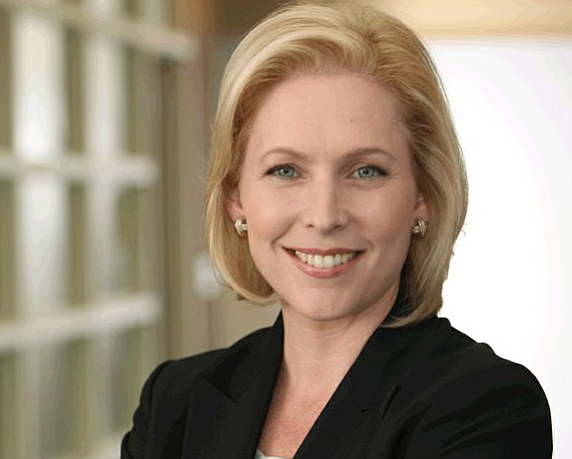
Another powerhouse in the Democratic party has announced a bid for the White House, Kirsten Gillibrand. The Junior Senator from New York state has long been rumored to be planning a Democratic primary challenge and has become a polarizing figure in the party. A centrist Democrat with past conservative views, she has been criticized by the progressive left and adored by establishment donors. More recently though, she angered the party establishment and donor base by criticizing Bill Clinton and calling for the resignation of Senator Al Franken because of sexual misconduct. In a time when the Democratic party is shifting back towards a more progressive and populist message can a centrist Senator, that literally represents the territory of Wall Street, win the nomination of a party yearning for real change and beat an incompetent and floundering Donald Trump.

Kirsten Gillibrand is a graduate of Dartmouth College and the UCLA School of Law. After graduating in the 90s she worked for a private law firm in Manhattan and clerked for Judge Roger Miner of the U.S. Court of Appeals in New York. Working for a private law firm in New York she served as a defense attorney for the tobacco company, Phillip Morris. She helped to defend the company when they were charged with lying to Congress about their previous knowledge about the link between cigarettes and cancer. She has claimed that she had no choice in the types of cases she was handed, but the law firm has stated that all lawyers were given a choice not to work on the case for moral reason, she chose to work for them regardless. Also, during her time she took on pro-bono cases involving tenants’ rights and battered women. It is during this time in the late 1990s that Gillibrand began working on Hillary Clinton’s Senate campaign. The two became close, with Gillibrand seeing the former First Lady as a mentor. In 2006 she successfully ran for Congress in New York’s 20th congressional district.

Her time in the House is becoming somewhat of a liability for the Senator. Upon entering Congress, she joined the Blue Dog coalition in the House, a conservative Democratic caucus. The seat she represented is a traditional conservative district, with her campaigning and voting in Congress that way. Since announcing her run for president she has come under fire for the way she campaigned in that election. Most notably her positions on immigration have come to haunt her, running to the right of her Republican opponent. In a 2007 interview she said that securing the border was a national security issue and closing the border was the first step in this direction. Even as soon as 2008, she claimed the need to expedite ‘illegal alien’ detention and deportation. Gillibrand has since said she is ashamed of this and regrets these positions, calling them unkind and not ‘empathetic’.  She said her views were because she lived in and represented a more rural district and did not take the time to put herself in the shoes of immigrant families, crediting her travels as Senator to New York City to talk to these immigrant families as helping to change her views. Before her time in Congress, Gillibrand worked at two law firms based out of Manhattan so one must wonder why she was not able to understand this issue during her time living in a city filled with many immigrants and cultural backgrounds. During her time in the House she also was to the right on guns and received a ‘A’ plus rating from the NRA, voting for a bill that limited information sharing on firearm purchases between government agencies.

In 2008, the then Senator, Hillary Clinton was nominated as Secretary of State by President Obama. Gillibrand campaigned hard for the Governor of New York to appoint her to the vacant seat, ultimately coming out on top. Her time in the Senate has seen her move towards more liberal positions. She has made sexual assault a key part of her agenda, introducing legislation that would remove allegations of cases of sexual assault in the armed forces from official military chain of command and place them in the civilian criminal system. She was also very vocal about calling for the resignation of Senator Al Franken amid his sexual misconduct. Gillibrand even said that President Clinton should have resigned during his Monica Lewinsky scandal. Her views on immigration and guns have also swung leftward during her Senate tenure. She was the first sitting Senator to call for the abolition of ICE and now receives an ‘F’ rating from the NRA. On social issues Gillibrand supports abortion rights and the rights of the LGBTQ community. Economically, she has even come out in favor of Bernie Sanders’ legislation for Medicare for All. In the House she voted in favor of the Bush Tax cuts, but now says she is in favor of raising taxes on high income earners. Once one of the highest receivers of corporate campaign funds, she now says she opposes PAC and other corporate donations.
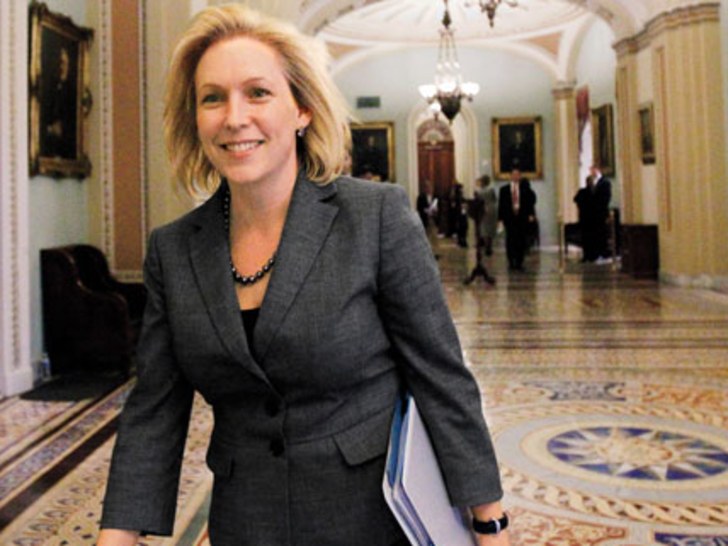
senator-kirsten-gillibrand-01-hess431

While in the Senate, Gillibrand seems to be doing everything right – saying all of the right things and voting in all of the right ways. Recently, she has come out in favor of many progressive policies like Medicare for All, raising the minimum wage, and a federal jobs guarantee to name a few. But do these reflect her true intentions or are they platitudes to a party that she sees moving to the left. In 2018, while speaking on a panel about the financial crisis of 2008, she was quoted as saying, “…if it wasn’t Lehman brothers, but Lehman sisters, we might not have had the financial collapse.” This is intellectually lazy at best, disingenuous at worst. This shows a very shallow understanding of the dynamic that unfettered capitalism is playing on society and the economy. This feminist capitalism doesn’t solve the ills of a cruel and heartless system. As a feminist myself I want women to be visible in every aspect of society, but this should not be the goal of feminism. Simply putting a female face on capitalism will not fundamentally change the system, especially for women of the working class or working poor.

These new found views stand in contrast to her tenure in the House of Representatives. Progressives and the left wing of the party worry about the genuineness of Gillibrand and her sudden change in views. While evolution and moving on issues is good and needed, does that mean that you get chosen from a crowded field of people to now represent these issues – to be our champion versus other people who have been right on certain issues from the beginning or longer. To some these changing views show a lack of a moral compass, with a goal of winning elections and advancing a career. Her past views on immigration will be hard for some to get past, especially in today’s climate. Too often the Democratic party is willing to throw marginalized groups under the bus for political expedience and expect them to continue to support the party.

At the current moment the Democratic party is going through a much-needed cleansing, a fight for its very soul. To some on the left Gillibrand represents the neoliberal policy of triangulation adopted by the New Democrats of the 1980s – shifting away from the progressive and populist roots of the Democratic party. We, as a party, need to break away from this thinking, and yes burn some bridges. What I worry about is that the party, and the corporate powers that have gained control over it, will use this time to simply revert back to the pre-Trump status quo – epitomized by seemingly ‘woke’ politicians offering platitudes to working Americans but doing little to actually push real change in people’s lives. This very situation is the reason that the Democratic party has lost its reputation for being the party of the working class, and an unprecedented number of state and federal seats. This, among other factors, is what created the perfect situation for an opportunistic leech like President Trump. The election of Donald Trump is a symptom of this. Thankfully the Democratic party is indeed changing, and for the better. Will Kirsten Gillibrand be able to convince Democratic voters that she is the right person to lead a new and more progressive party?

Dale Seufert-Navarro
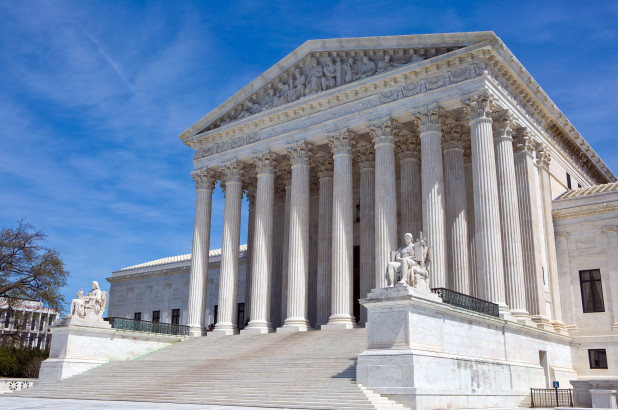
Supreme Court fails to Protect Transgendered Service Members

supreme court

In a victory for the Trump administration and discrimination, on Tuesday the Supreme Court refused to hear a case disputing the ban on transgendered men and women serving in the military. In a 5-4 decision – with the four liberal justices voting to hear the case and continuing to block the ban and the 5 conservative justices opposing – the case will continue to be heard in the lower courts. The Pentagon praised the decision and has long claimed that the policy is not a complete ban on transgendered service members, saying that the policy only applies to people actively seeking transition.

All hope is not lost, there is still a chance that the issue will be solved in the lower courts in a favorable way. Until then, the policy continues to take effect. On this issue, the Supreme Court has relinquished its duty to the American people and the constitution of the United States. There is no reason that the court should not have taken up this case, except for cowardice and malice – or both. Four lower district courts have rejected and blocked the administration’s policy and one recent appeals court has reversed and upheld the case. The court has jurisdiction and power to weigh in when there are conflicting lower court rulings. It is the job of the high court to set a clear precedent of the law. There is also the matter of the Equal Protection Clause of the 14th amendment, which allows all citizens equal protection under the law. This is another consequence of the Democratic party not being as vigilant about the Judiciary as the Republican party. Decades ago the Republican party set out upon a successful effort to remake the courts in a more conservative image. The federal judiciary and the Supreme Court have been on a rightward lurch ever since.

Once again, the Supreme Court proves to be a tool of oppression, with historical precedent rampant. Time and time again marginalized groups are thrown under the bus, used as political pawns for political games. Donald Trump is using the trans community as another scapegoat and political distraction. As his administration continues to drown in scandal and incompetence, he throws scraps to his rabid base, this being another example. The irony that trans men and women would freely join the military with the goal of protecting our country, while their own government will not protect them is bewildering, but not surprising. The irony is also not lost in the fact that a spineless man escaped military duty, by claiming bone spurs in his feet, is objecting to anyone wanting to serve in the military. For all of Trumps false claims that the military is in a decline, it is idiotic why he would limit the amount of people eligible to join.

marshapjohnson
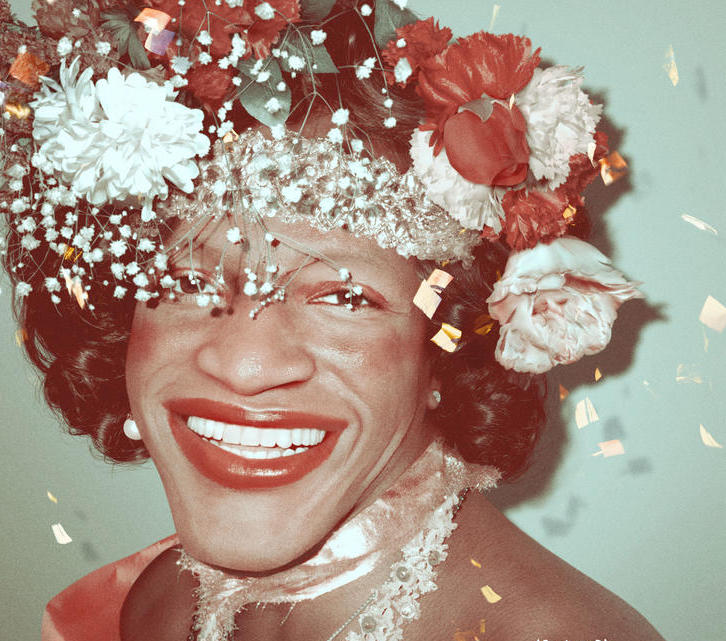
Marsha P Johnson –

The decision by the Supreme Court to not affirm the equal protection of trans people in this country comes at a time when violence against the trans community is on the rise. When the government does not show a willingness to stand behind the oppressed it, emboldens prejudice. Over the past couple of years, a number of states have tried to pass so-called Transgender Bathroom laws, including my home state of Virginia and my adopted state of North Carolina. These types of policies are not rooted in logic or public safety, instead they are rooted in a malicious effort to sow discord and division. Just recently, a trans woman was harassed and sexually abused in a Raleigh, North Carolina bathroom. Two women have been charged with second-degree kidnapping and sexual battery. Often, the less visible members of society are the least protected. The trans community is but one example. The gay community must stand with our trans brothers and sisters and fight injustice in all of its forms. Remember, that it was a trans woman of color, Marsha Johnson, that helped to initiate the Stonewall Riots in response to police harassment. The trans community has always been on the front lines of the gay rights movement, and we should be just as vocal for them as well.

Dale Seufert-Navarro

The Sanitation and Revisionism of Dr. King

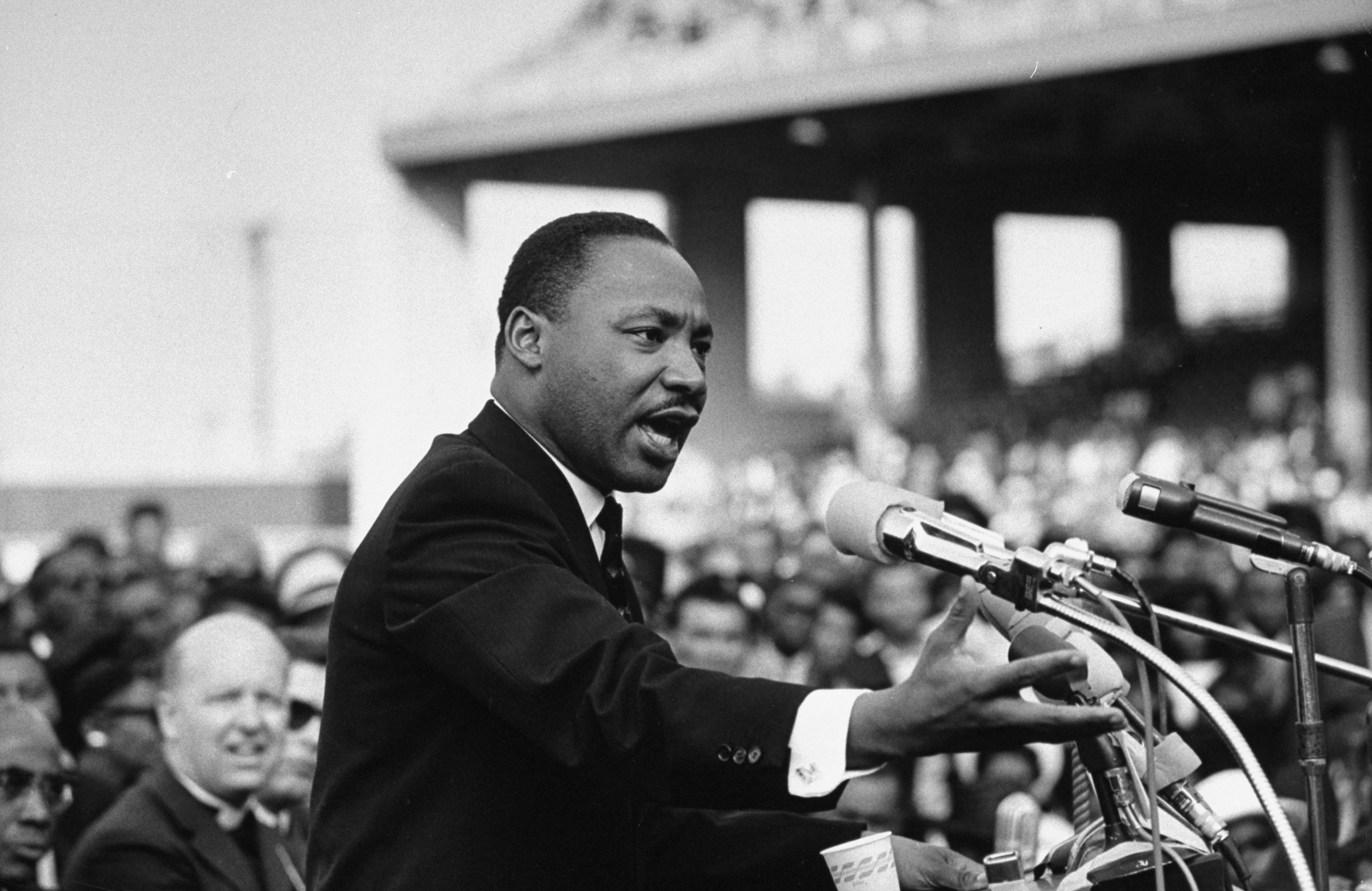
Martin Luther King Jr.
Julian Wasser – The LIFE Images Collection/Getty Images

Martin Luther King may be one of the most well-known figures of the 20th Century, with an approval rating pushing over 90 percent. As children we learn, briefly, about his role in the civil rights movement. Almost everyone knows about his I Have a Dream speech, although most people do not really know the content of this speech aside from those four words. He has a federal holiday dedicated to him, and most major cities around the country have a street named after him. With that said, who is Dr. King? What is the true face of this iconic man?

King was a dynamic and complicated man like many of our leaders. The man that ‘mainstream’ accepted history has given us is a watered down and commercially friendly version of the truly revolutionary man that he was. His sermons on the intersectionality of race, gender, class, and imperialism are just as relevant now as they were in 1968 when he was killed. The story of Dr. King is a story of evolution. In a time of great unrest, he was able to connect all of the dots that make up our extremely rigged and unjust society.

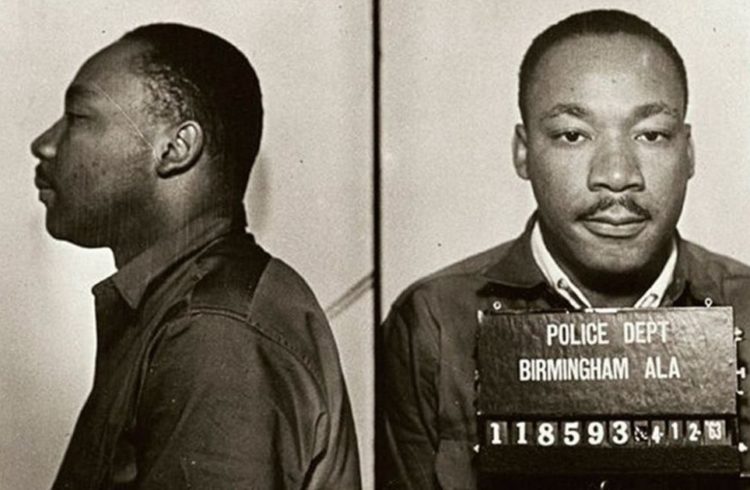
Most people are taught that Martin Luther King was the epitome of non-violent civil disobedience, the historical polar opposite of the militant Malcom X. While it is true that King advocated for nonviolence, his ideas were not so diametrically opposed to the likes of Malcom X.  In fact, Dr. Kings ideas and political leanings grew very radical between the time he wrote his letter from a jail cell in Birmingham, Alabama and his death in 1968. Modern history has relegated King’s ideas to racial segregation and nothing more. His journey in the civil rights movement of the 1960s led King to an understanding that even some people can’t seem to grasp 50 years later – racial justice and economic justice are inherently connected.

king
An imprisoned Dr. King – Missioalliance.org

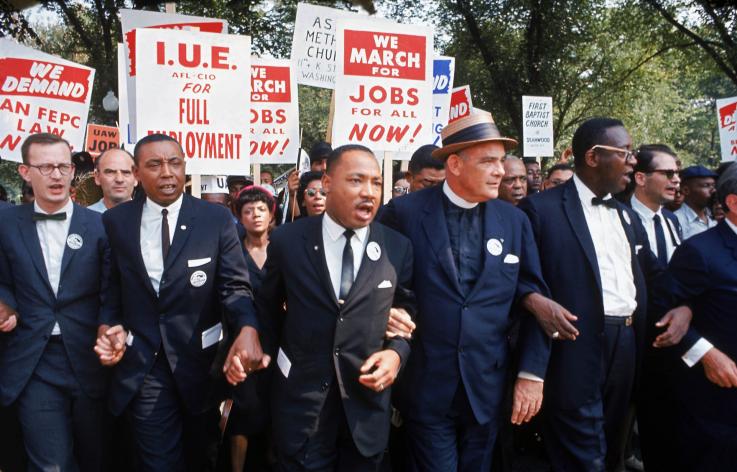
The March on Washington in 1963 where Dr. King delivered his I have a Dream speech is very well-known, but most forget that the full name of that march was, The March on Washington for Jobs and Freedom. The march was organized by civil rights leaders and labor organizations, uniting a call for the end of racial segregation and democratized economic opportunity. One of the last programs he was a part of before his death was the Poor Peoples Campaign. King lamented that even if segregation were abolished and black people were allowed in every establishment, they may not be able to afford anything in that establishment. He understood that integration would not solve all evils. The powers and inequities of capitalism would still need to be fiercely fought. King was even quoted as saying he was worried that the objective of the civil rights movement was to ‘integrate into a burning house’. Sadly, this is a blind spot for bourgeoisie elite liberals that fail to see how racism is deeply connected to class struggle. In 2016, during a Democratic primary debate between Hillary Clinton and Bernie Sanders, Clinton made the claim that breaking up the banks would not solve racism, a way for her to criticize Sanders for not focusing on issues facing minority communities. While this claim is technically true, economic reforms like breaking up the big banks is a step in the right direction. In fact, recently many of the top banking institutions were found guilty of using racist policies towards black Americans. In the spirit of Roosevelt’s New Deal, Dr. King called for an Economic Bill of Rights. He realized that economic mobility translated into political power, and that is what was most feared by the political establishment.

As Dr. King navigated through the civil rights movement he began to expand his message of racial and economic justice. He saw the struggles of marginalized people around the world as connected. His vision turned to the conflict in Vietnam as he vehemently opposed the war. In his powerful and controversial, Beyond Vietnam, speech King laid out his argument for opposing the war. He famously said,

“We were taking the black young men who had been crippled by our society and sending them eight thousand miles away to guarantee liberties in Southeast Asia which they had not found in southwest Georgia and East Harlem. So, we have been repeatedly faced with the cruel irony of watching Negro and white boys on TV screens as they kill and die together for a nation that has been unable to seat them together in the same schools. So, we watch them in brutal solidarity burning the huts of a poor village, but we realize that they would hardly live on the same block in Chicago. I could not be silent in the face of such cruel manipulation of the poor.”

Here he connects the ‘Three Evils’ as he called them – racism, poverty, and war – claiming they were the biggest threats to democracy. His vocal opposition to the war became the leading reason many people turned against him in his later years.

The way history is presented, and the way current politicians fawn over Dr. King, you would think that he was championed by nearly everyone in the 60s. Unfortunately, he became on outcast by many in the civil rights movement at the end of his life. As his message evolved into a more economic and anti-imperialist one, even many of his allies turned on him – Newspapers wouldn’t run his op-eds, black churches wouldn’t have him, and black politicians didn’t want to be seen with him. The last years of his life were some of the hardest and most isolating years of his life.  As King railed against the U.S. involvement around the world and the capitalist system, the political establishment grew worried about his message. He was painted as a communist and anti-American. He was heavily surveilled and blackmailed by the FBI, with the bureau even sending a letter to his wife demanding King commit suicide.

martin king
ROBERT W. KELLEY/THE LIFE PICTURE COLLECTION/GETTY

Dr. Martin Luther King Jr may be one of the most recognized and admired figures in the world, but the true face of this icon has been hidden, distilled into a neutered version that he wouldn’t recognize, nor even find acceptable. The writers of history have turned him into something that doesn’t offend conservative minded bigots and makes affluent white liberals feel good about themselves. This is why we as a society celebrate Dr. King but feel uncomfortable by Malcom X. King has been narrowed down into short slogans used for capitalist advertising, when he himself said that slogans are not solutions. Living in this deeply corrupt and fractured society it is evident to see why this historical revisionism has occurred. Dr. King had to fit into the prevailing capitalist and imperialist narrative. The true King – the one that railed against American Imperialism – cannot be glorified by an imperialist nation. The true King – the one that advocated for economic justice – cannot be honored by a greedy corporate capitalist system. This is why his message has been forgotten.

“Only in the darkness can you see the stars.” – Martin Luther King Jr

Dr. King was a brilliant and fearless individual. In philosophical study, the ideas of black thinkers are not given equitable placement at the table as are their white counterparts. The philosophies of King deserve to be studied and treasured, and not just for his calls for racial equality. In his emotional last speech before he died, King knew that his days were numbered. He knew that the world was against him, but the trajectory of history would continue forward. Dr. King was truly a man ahead of his time. He was able, in the midst of unrest and oppression, to connect the dots of global and domestic solidarity. To remember Martin Luther King Jr is to remember the whole King; all of him. To honor the legacy of Dr. King is to see the solidarity between the Trayvon Martins of the world, the countless imprisoned and disenfranchised people in a corrupt criminal justice system, the thousands of striking teachers around the country, the struggling mother working two jobs trying to put food on the table, the poor communities from east Harlem to the oppressed people of Palestine, and to the dying children in Yemen. The story and legacy of Martin Luther King Jr is one about power. He understood the powers that hold our society hostage, preventing us from creating a world of justice and equality in all meaning of the word. But he also understood the power that we hold, and he refused to give up that power even as the snakes of this world threatened his very life. He was a fighter until the very end and we should honor the message that he preached, the true message.

“Well, I don’t know what will happen now; we’ve got some difficult days ahead. But it really doesn’t matter to with me now, because I’ve been to the mountaintop. And I don’t mind. Like anybody, I would like to live a long life — longevity has its place. But I’m not concerned about that now. I just want to do God’s will. … I’ve seen the Promised Land. I may not get there with you. But I want you to know tonight, that we, as a people, will get to the Promised Land.” – Martin Luther King Jr

Dale Seufert-Navarro

2020 Spotlight: Julian Castro

castro-906x1024
Julian Castro – Photo by Harry E. Walker/MCT

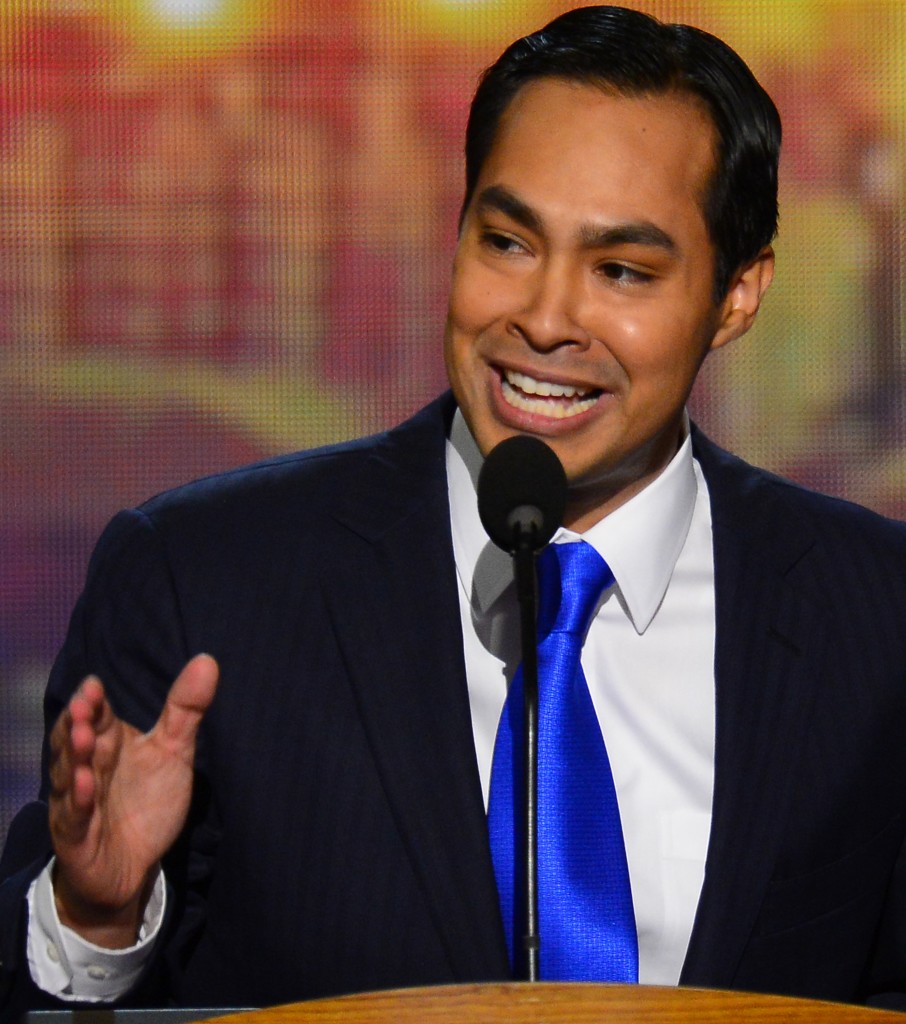
Julian Castro has been called a rising star in the Democratic party since he delivered the keynote address at the Democratic National Convention and his work in the Obama administration. He is a young charismatic politician and was the youngest member of the Obama cabinet. While some may view his bid for the nomination as a long shot, he serves as the antithesis of the Trump administration – a repudiation of the racist and xenophobic narrative that this president has tried to paint of Mexicans and Hispanics at large.

Castro was born in San Antonio, Texas, to parents that were both political activists. His mother, Maria ‘Rosie’ Castro, helped establish a political party called La Raza Unida, out of exasperation with the Democratic party. Julian has credited his mother’s activism for his entry into politics. Castro received a Bachelor of Political Science and Communications from Stanford University in 1996. During this time, he interned for the Clinton administration. After graduating from Harvard Law in 2000 he worked for a private law firm before eventually starting his own practice with his twin brother in 2005.

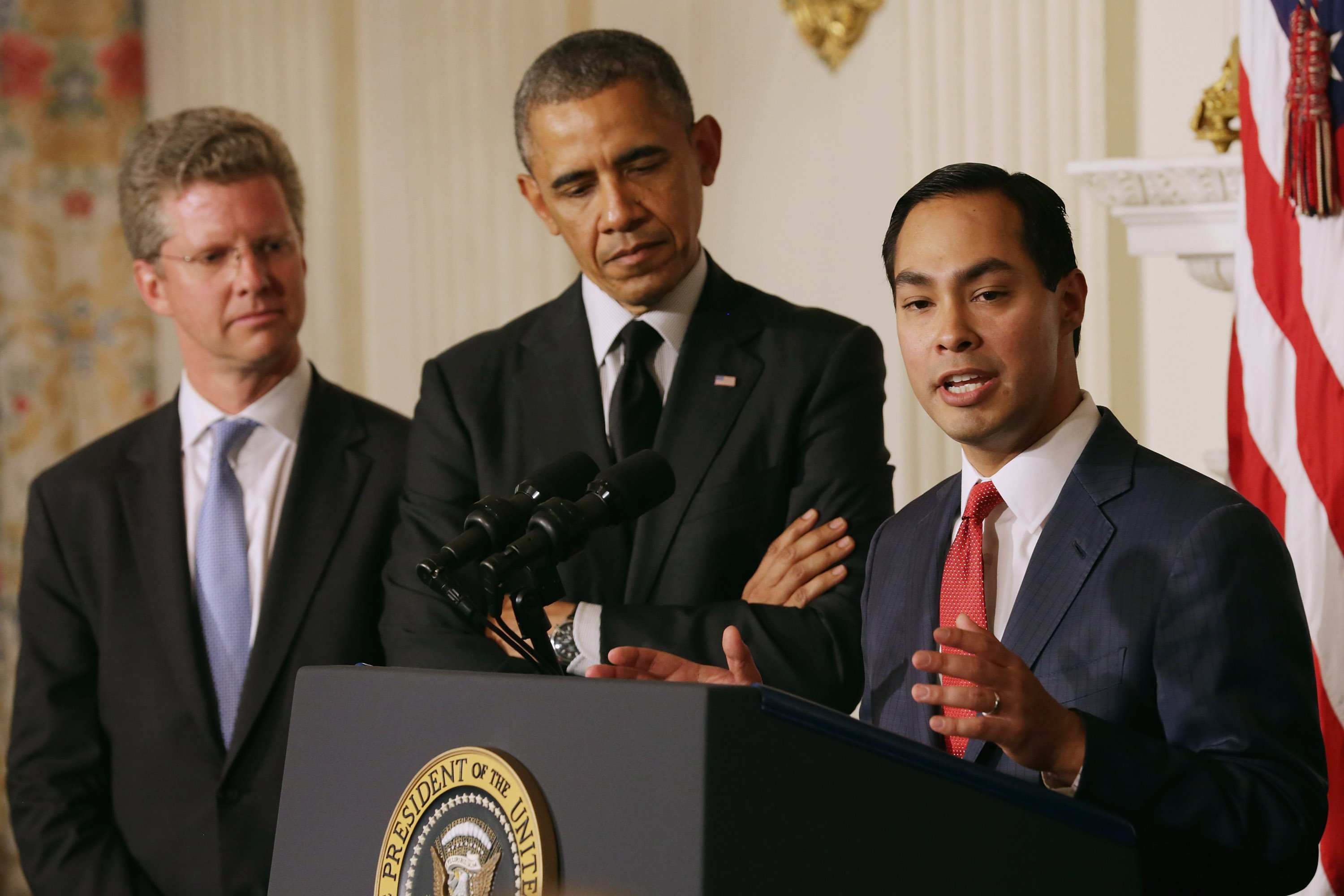
Obama Announces San Antonio Mayor Julian Castro As Head Of Department Of Housing And Urban Development
Chip Somodevilla—Getty Images

In 2001, Castro became the youngest person elected to the San Antonio City Council at 26 years old. Four years later he unsuccessfully ran for mayor and after his defeat, he opened his private law practice with his brother. In 2009 he tried running for mayor again, this time winning. He would go on to win he re-elections in the years to come with huge overwhelming majorities. In 2014 he was nominated and confirmed as the Secretary of Housing and Urban Development. Almost immediately, rumors swirled about his possible Vice Presidential nomination on the 2016 Democratic ticket.

On the issues, it is a bit difficult to pin down this rising star in the party. As a former mayor and cabinet member, Castro doesn’t have a voting record. This could prove to be beneficial to him; less baggage. His time as mayor in Texas does offer some insights into his views. Castro has been a long supporter of LGBTQ rights. As mayor of San Antonio he fought against a Texas law banning same-sex marriage, pushing for domestic partner benefits in the city. He was the first mayor to walk in the gay pride parade in his home city. On reproductive rights, he fought alongside Wendy Davis against a Texas law that would have banned abortion after 20 weeks and limited facilities in the state.

Castro has thrown his support behind a number of important pieces of legislation at the moment. He supports some version of the Green New Deal and rejoining the Paris Climate Agreement. His overall approach has been to appeal to the business community stating that it is in their best interest to support and increase their funding for renewable energies. With Medicare for All getting national attention, the young politician has also endorsed the proposal. On immigration, Castro supports comprehensive immigration reform with a pathway for citizenship for undocumented immigrants. Unlike some other Democrats, he has not called for the complete abolition of ICE, instead the agency needs to be reformed. Not much is known about Castro’s foreign policy views, except the fact that he supports the planned withdrawal from Syria, criticizing the president’s announcement of an ‘unplanned’ withdrawal.

Julian Castro is young, at age 44, and ready to hit the ground running. He brings to the Democratic party a vision of fresh energy, something that has been lacking for a long time. In what is becoming a very crowded field of candidates, it is going to be difficult for Castro to set himself apart and stand out. His policies and rhetoric seem to be more in the centrist style of the party, which at the moment is not clear if that will be a liability or an asset. The Democratic party is increasingly being pushed more to the left, a good thing in my opinion. Identity politics are still important in Washington and the fact that he is a Latino will be very interesting to watch as the primaries begin. Castro is the antithesis and the perfect foil to Trumps racist rhetoric. Julian is sure to get under the skin of President Trump in coming months, nominee or not. Another thing to consider is Texas. The state has been a reliable red state for decades, with Jimmy Carter being the last Democratic presidential candidate to win the state in 1976. In recent years, the state’s politics have been slowly trending blue, due to demographics and internal state politics. Could a young Hispanic candidate do the unthinkable in 2020? Who knows, modern American politics has been very unusual and surprising over the last decade.

Dale Seufert-Navarro

‘to the LEFT’ Book Club

Books and works of literature have a way of transporting us to far away lands, transcending our hearts and minds. They feed our souls with knowledge and inspiration. As activists or even informed citizens, we need information about our history and the world around us to form opinions and ultimately to create a just world that we all deserve. At ‘to the LEFT’ I would like to start a book club of sorts, ongoing recommendations of books that I have read and think have intellectual importance to the left and to society at large. I invite you all to comment with recommendations of your own. As corny as it is, knowledge truly is power. Join me in spreading and democratizing knowledge and ultimately power.

Dale Seufert-Navarro

2020 Spotlight: Tulsi Gabbard

marco garcia:ap
Tulsi Gabbard – Marco Garcia/AP

In a recent CNN interview, Tulsi Gabbard announced that she would be running for president in 2020. The young Congresswoman is somewhat of an enigma in the Democratic party, with her policies seeming to be a mix of the left and centrist wings of the party. Most notably, her announcement has stirred up some fierce opposition, with others clamoring to defend her.

Tulsi Gabbard was born in Leloaloa, Samoa, to a Samoan-European father and a mainland American born mother. She grew up in a mixed-religion household, her father catholic and her mother a practicing Hindu. As a teen she chose Hinduism as her faith. She went to Hawaii Pacific University, receiving a Bachelor of Science in Business Administration in 2009. She is a member of the Hawaii State National Guard and has been deployed to Iraq and Kuwait. In 2002, at age 21, she became the youngest state legislator in Hawaiian history and the youngest female legislator in U.S. history, representing Hawaii’s 42nd state district. She decided not to run for reelection after being ordered to deploy for the National Guard. In 2011 she won a seat on the Honolulu city council. Then when Hawaii’s 2nd congressional seat became available in 2012, she successfully ran and won, becoming the first Samoan-American and the first Hindu elected to the U.S. House of Representatives.

In the House, most of her work and legislation had been focused on military and environmental issues. She has proposed bills to assist wounded veterans and military victims of sexual trauma. The Congresswoman holds many economically progressive views as well. She fought very hard against the passage of the Trans Pacific Partnership, which became a focal point of the 2016 Sanders presidential campaign and the greater American left. She supports the reinstatement of the Glass-Steagall Act, which separates commercial and investment banking, and raising the minimum wage to $15. She is equally as vigilant on the environment. She is continually endorsed by the Sierra Club and in 2017 she introduced legislation that would transition the United States to 100% renewable energies by the year 2035. In 2016 she, along with many other veterans, traveled to North Dakota to protest against the construction of the Dakota Access Pipeline near the Standing Rock Indian Reservation.

saul loeb:afp:getty images
Gabbard at the DNC – Saul Loab/AFP/Getty Images

On social issues, Gabbards positions become a bit more nuanced. Early in her life and career she held many openly conservative views on abortion and LGBTQ rights, most likely due to her conservative catholic fathers influence. She previously opposed same-sex civil unions and marriage, working with her father and his various organizations to promote ‘traditional marriage’ and conversion therapy. When her mother ran for office in Hawaii she gave this alarming quote, “This war of deception and hatred against my mom is being waged by homosexual activists because they know, that if elected, she will not allow them to force their values down the throats of the children in our schools.” She now has said she regrets those views and fully supports the rights of the gay community to marry and their full equal inclusion in society. She credits her tours in the Middle East for her change in views. To her credit, she has supported every pro-LGBTQ legislation since her time in the House, actively speaking out against measures aimed at restricting gay rights. She has also reversed her position on abortion and has received two 100% lifetime ratings from Planned Parenthood and NARAL America.

Her foreign policy positions also need some defining and clarification. She has been an outspoken critique of American military intervention with regards to regime change, opposing the invasion of Iraq, Libya, and the intervention in Syria. She calls these measures counterproductive to American security. Gabbard has also voiced opposition to our relationship and arms sales to Saudi Arabia. While she has spoken out against much of the U.S. governments policies in the Middle East, she is a bit more hawkish when it comes to the so-called ‘War on Terror’. She most likely would continue the use of drone strikes in the region, which has been a driving force of animosity towards the U.S. in the area. Gabbard commended the Obama administration for clarifying that the use of drones would not be authorized for non-combatant U.S. citizens, but has not spoken out against the use of drones on civilians in the Middle East. The U.S. currently carries out drone strikes in 5 known countries. These so-called ‘targeted killings’ are anything but, with excessive civilian collateral damage documented. The exact number of these causalities are nearly impossible to compile. Critics claim that the excessive amount of civilian casualties greatly outweigh the amount of combatants killed. Gabbard has also been criticized for her support of far-right Indian Prime Minister, Narendra Modi. Modi is a controversial figure domestically and internationally, criticized for Hindu nationalist policies and anti-Muslim sentiment.

Tulsi Gabbard is fairly new to the national consciousness but has quickly become a polarizing figure in the Democratic party. In 2016 she stepped down as Vice Chair of the Democratic National Committee to support Bernie Sanders in his presidential campaign. She criticized Debbie Wasserman-Shultz and the party for tipping the scales in favor of Hillary Clinton, through unfair media coverage towards Sanders and an anemic debate schedule. Much of the criticisms coming from the party’s establishment and loyalists are due to the fact that she refuses to toe the party’s corporate line. She bucked the party in 2016 and that is not acceptable to many in party leadership. She also represents a realignment of American foreign policy, one without a lust for regime change and constant military intervention that is short cited and reckless. For this she is unacceptable to the D.C. military establishment that is intertwined with the corporate world and both major parties.

The future of Tulsi Gabbards presidential campaign remains to be seen, but one thing for sure is she faces a steep uphill battle to win over some in the Democratic party. Will she be able to get past her old anti-gay comments and her pursuit in opposition to a key Democratic base? In the past, other Democrats have been able to show their evolution on this issue, Hillary Clinton and Barak Obama, and were embraced by the party. Bill Clinton was the president that signed the Defense of Marriage Act into law in the 1990s, throwing the gay community under the bus for political expedience. Some will argue that these Democrats did not go as far as Gabbard, but there is precedent to suggest that people can evolve and be forgiven. Gabbard is not what the leadership and establishment of the Democratic party wants in a candidate – that is evident from the relentlessly negative reporting from the media, right or wrong – but that doesn’t mean she isn’t good for the party. Centrist establishment candidates get glowing coverage from the corporate media, glosses over or conveniently omitting information, while hammering hard on progressive candidates that question corporate or established opinion. She questions the economic and militaristic direction of the Democratic party, and that is a good thing. She will further add a voice to the conversation that should have been had a long time ago – where is the heart and soul of the Democratic party?

Dale Seufert-Navarro
2020 Spotlight: Elizabeth Warren

cnbc.com
Elizabeth Warren – CNBC.com

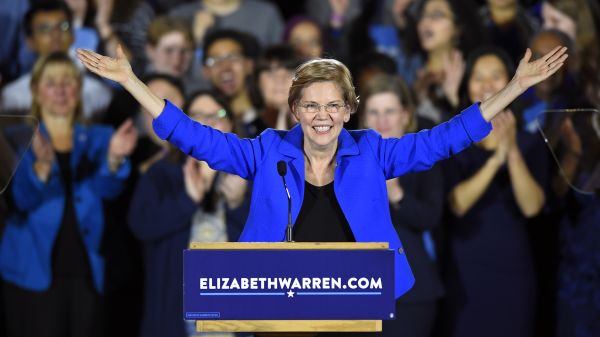
It’s official, the first major player from the Democratic party is running for president. On the eve of the new year, Elizabeth Warren announced that she would be forming an exploratory committee to run for president. While this is not an official announcement, she is all but telling us that she’s running. Along with her twitter announcement, she released a moving and very powerful video explaining her reasoning for wanting to become the next president of the United States. Many progressives have called on the Senator from Massachusetts to run for president since the 2016 primaries, and now we will see if Elizabeth Warren can pull it off.

Warren was born in Oklahoma City to modest middle-class parents. Her father worked at Montgomery Ward and as a maintenance man. After her father had a debilitating heart attack and was unable to work, her mother started working at Sears to help pay the bills. At 13 years old, Warren started waiting tables at her aunt’s restaurant to help with the family’s income. In 1968 she married her high school sweetheart, Jim Warren, and received a Bachelor of Science from the University of Houston two years later in 1970. After moving with her husband to New Jersey, she enrolled in Rutgers Law School at Rutgers University-Newark. After graduating in 1976, she wrote wills and real estate contracts for clients out of their home. The couple had two children but divorced in 1978. Soon after she remarried Bruce Mann but kept the name of her first husband.

cnn.com
Warren as a Special Advisor to President Obama – CNN.com

Elizabeth Warren has taught law at several universities including: Rutgers University, the University of Houston, Texas, Pennsylvania and most recently Harvard Law School. Warren quickly became an expert in bankruptcy and commercial law. In the 90s, she worked to protect consumers as an advocate on the National Bankruptcy Review Commission. In the aftermath of the recession of 2008, Harry Reid appointed Warren to a Congressional Oversight Panel to monitor the government’s handling of the financial crisis. Her work on the committee led her to advocate for the creation of the Consumer Financial Protection Bureau (CFPB), which she later helped to formally establish. In 2010, after the death of Senator Ted Kennedy, Warren was elected as the first female Senator from Massachusetts in a special election.

Although a former Republican, Warren has been a darling of the progressive wing of the Democratic party since her election to the Senate. While she advocates for many progressive issues, her main focus has been on banking and the financial sector. Videos of her relentless questioning of Wall Street executives have gone viral and have been shared by thousands. Following the crash of 2008, she has repeatedly called for the resignation and criminal investigation of banking executives. In October of 2017, during a Senate Banking Committee hearing, Warren called out Wells Fargo CEO, Tim Sloan, stating “At best you were incompetent, at worst you were complicit”.

The progressive and feminist battle cry, ‘Nevertheless she persisted’ has been attributed to Warren and other female leaders. It originated from the Senate confirmation process of Jeff Sessions to Attorney General of the United States by President Donald Trump. During debate on the Senate floor, Warren objected to his appointment and began to read a letter written by Coretta Scott King in 1986 when she opposed the nomination of Sessions to be a federal court judge. A Republican Senator interrupted her and reminded her of a Senate rule against attributing “to another senator or to other senators any conduct or motive unworthy or unbecoming a senator.” Warren was unfazed and continued to read, but Majority Leader McConnell instructed the Senator to cease and have a seat. A vote along party lines silenced Warren for the rest of the hearing. McConnell’s own words were used as a rallying cry — “Senator Warren was giving a lengthy speech. She had appeared to violate the rule. She was warned. She was given an explanation. Nevertheless, she persisted.

Two important pieces of legislation put forth by Senator Warren are the Anti-Corruption and Public Integrity Act and the sweeping Accountable Capitalism Act. The Anti-Corruption bill is aimed at curbing corrupt campaign spending and getting money out of politics in all three branches of the federal government. The bill would place a lifetime ban on lobbying for presidents, vice presidents, federal judges, members of Congress, and cabinet members and a multi-year ban for federal employees. It would force presidents to place all assets in a blind trust and require candidates to release a certain amount of tax returns in an effort to prevent conflicts of interests. The bill would also change the rule-making process to restrict corporate influence on law-making. Most importantly, the bill would create a new independent office that would investigate and enforce rules of ethics.

The Accountable Capitalism Act is far more important in that it is one of the most sweeping bills to combat corporate power in decades. The basic premise of the bill is that if corporations claim the legal rights of personhood, following the disastrous Citizens United Supreme Court Case, then they should also accept the moral obligations as well. Currently, corporations have prioritized shareholders and enriching their bottom lines over the very workers that make those profits possible. Her bill puts more power in the hands of those very workers and ensure they have a voice in business decisions, not just shareholders. The law would require businesses with profits over $1 billion – a small group, but with a large share of economic activity and employment – to allow workers to elect 40 percent of the membership of their board of directors. The bill also requires executives to wait at least five years to sell stocks that are received as pay compensation in an effort to disincentivize stock buybacks as a way to enrich their own pay instead of investing in workers and the business.

politico
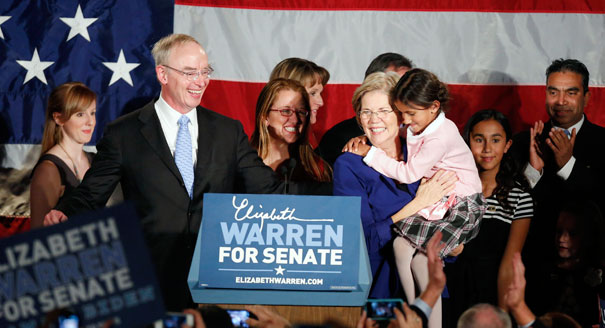
Elizabeth Warren and family – Politico

Elizabeth Warren is better known for her progressive populism, but she also supports many other ideas that will excite Democratic voters. The Senator has said she supports new hot topic policies like Medicare for All and a Green New Deal. She is pro-choice and a strong supporter of reproductive rights. Warren is equally as supportive of the LGBTQ community, supporting same-sex marriage and passage of the Employment Non-Discrimination Act. In 2015, she was one of several Senators to write a letter to the FDA asking them to lift the ban on gay men from donating blood saying it perpetuates the stereotype that all gay men pose a health risk to the rest of society. She supports an overhaul of the criminal justice system, calling it a racist and prejudiced against black and brown Americans. Warren has also advocated for the rights of states to legalize marijuana.

While there are many things for progressives to love Elizabeth Warren for, there are a few things that have made the left stop and question. The Senator from Massachusetts was noticeably silent when water protectors from the Sioux Tribe were protesting the construction of the Dakota Access Pipeline near Standing Rock Indian Reservation. Members from the tribe and protesters from around the country were brutally assaulted by local police using extreme force and fire hoses during below freezing weather. Future Congresswoman, Alexandria Ocasio-Cortez attended some of these protests. She did eventually release a statement in support of the water protectors, but many said it was a little too late, waiting until President Obama halted construction. Many on the left were also disappointed that the Senator didn’t endorse and support Bernie Sanders during the 2016 primary season, waiting to endorse Clinton until she had all but wrapped up the nomination. With Sanders losing Massachusetts by only 1.2 percent, many claimed the endorsement from one of the most loved members of the progressive wing of the party could have pushed Sanders to victory. People on the left also worry about Warrens foreign policy. In 2017 she voted for a whopping $700 billion budget for the military, way more than the Pentagon or even President Trump asked for. When it comes to Israel and Palestine she says she supports a two-state solution but adds that Palestinian application to the UN doesn’t help the peace process. If I may add, nothing but a clear and adamant condemnation of the treatment of the Palestinian people by the Israeli state is short of moral and just.

The announcement of Warren for president has been met with cheers and relief from Democrats of all shades. Warrens voice will be sure to add a needed momentum and continued economic push leftward of the Democratic party. For too long the Democratic party has lost sight of what really matters, creating a society in which every voice is valued. The New Democrats of the 80s and 90s traded corporate power and money, tossing the interests of the working class to the wayside. The prospect of the first woman president is also sure to bring voters to the polls. With a few other female candidates rumored to run as well, Elizabeth Warren will have to find a way to make herself stand out. Her relentless pressure on corporate power will motivate and excite Democratic voters, but will it be enough to set herself apart in a crowded field of candidates. Only time will tell, but as it stands right now Elizabeth Warren will quickly become a frontrunner.

Dale Seufert-Navarro

2020 Spotlight: Richard Ojeda


cnn.com
Richard Ojeda – CNN.com

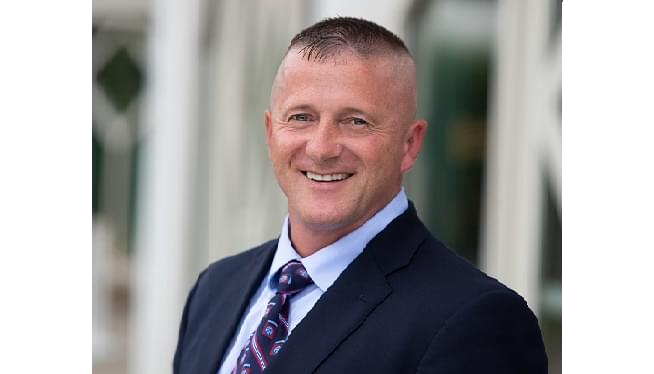
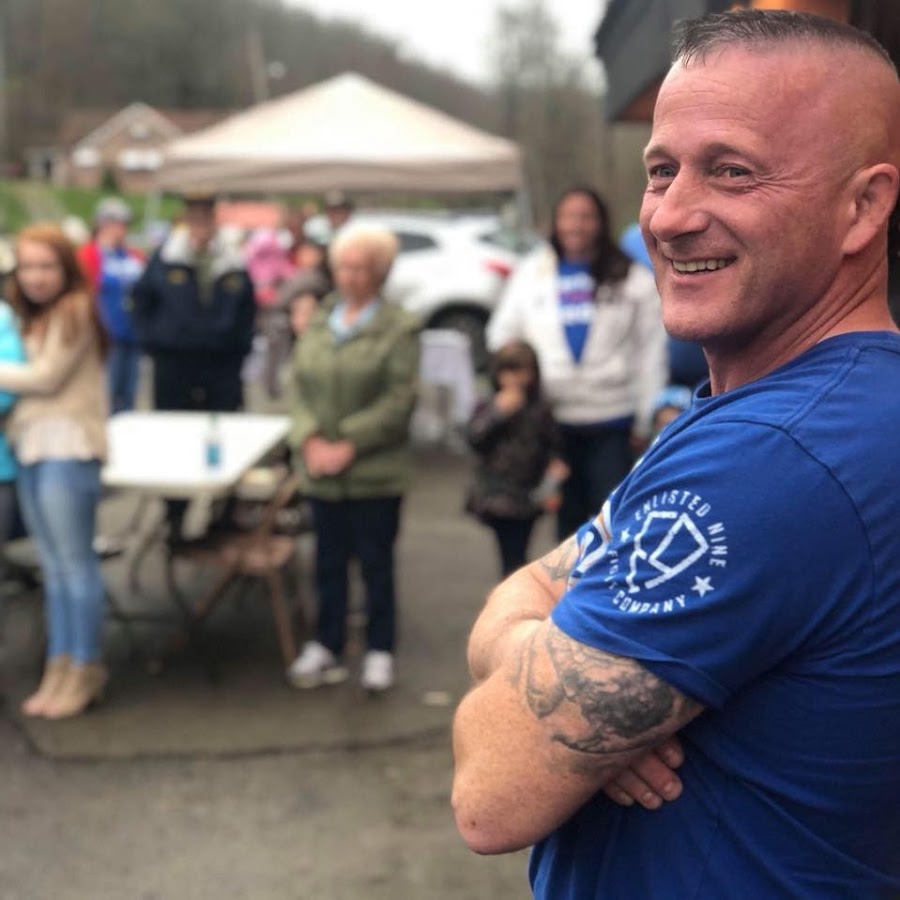
The 2020 general election may be over a year away, but the Democratic primaries have officially begun. The first candidate to announce a bid for the White House is Richard Ojeda, a state Senator from West Virginia. With very little name recognition, it is very likely that most of you have never even heard his name.

Ojeda is 48 years old and was born in Rochester, Minnesota. His paternal grandfather was born in Mexico, and his father lived there until the age of 8. After high school Ojeda joined the Army where he served for 24 years, reaching the rank of Major. While in the military he graduated from West Virginia State University and Webster University, earning his Masters Degree in Business Administration. After retiring from the Army, he worked as a high school teacher before successfully running for West Virginia State Senate in 2016.

Ojeda first came on the national scene in progressive circles when he ran for the U.S. House of Representatives in the 2018 election cycle. He also gained notoriety for being very vocal in his support for the 2018 West Virginia teachers strike. Unfortunately, he did not win his bid for Congress but most notably he improved the Democratic results by 32 points, only losing to his Republican opponent by 12 points. For a Democrat in West Virginia this is pretty impressive given the fact that the previous Democrat only won 24% of the vote, with Ojeda taking 44% of the vote.

Ojeda has called himself a moderate Democrat, but many have said that his views are more in line with a left-wing populist platform. In the West Virginia State Senate, he has made increasing teacher pay a key part of his agenda, criticizing the states moderate pay increase. He also sponsored the Medical Marijuana Act, which was signed into law in 2017.

In November of 2018 he announced that he would be running for president on the Democratic ticket. A large part of his campaign is an anti-corruption and anti-lobbying platform, pledging not to take any corporate PAC money. In his 2018 House run, he only accepted small donations from individual donors and labor unions. He has endorsed Medicare for All and full legalization of marijuana.

While Ojeda may have some economic planks in his platform that will appeal to progressives, there is one notable obstacle that Democrats may not be able get past – in 2016 he cast his vote for Donald Trump for president. He stated that he thought Trump would be good for West Virginians, but has since said that he regrets that decision. Ojeda tried to justify his vote by saying that on the campaign trail Trump talked a good game about the little man and helping working class people, but since becoming president, he has become a twitter using, divisive con-man, that has empowered the very characters he claimed to reign in.

ojeda youtube
Richard Ojeda – youtube.com

In what is going to be a very crowded primary season, with candidates battling over who is the most progressive choice, does a Trump voting Democrat stand a chance? Ojeda lacks national name recognition and is relatively new on the political scene. Just last primary season, Bernie Sanders, who also had low name recognition, almost successfully took down one of the most well-known and powerful Democrats, Hillary Clinton. Ojeda is hoping for the same underdog success this time around. A key difference is the fact that while Sanders was not very well-known nationally, he was a sitting U.S. Senator and had been involved in politics for almost 40 years. The West Virginian is also personally pro-life but has said that he believes access to abortion should be legal. In a time when reproductive rights are under assault and the very existence of Roe v. Wade is in question this may also make some Democrats hesitant about supporting the candidate.

The Democratic primaries have kicked off and are sure to be fiercely fought by all of the candidates. Richard Ojeda is arguably the biggest longshot of the race but if 2016 proved anything, it’s that all political norms have been tossed aside and anything can happen, and at least Ojeda is more qualified than the current occupant of the Oval Office. That being said, I don’t see Ojeda being a frontrunner in any way, except in helping to push the party in a more economically populist direction focused on the working class.

Dale Seufert-Navarro


2020 SPOTLIGHT

we the people

With the 2020 election just around the corner, the Democratic field is going to quickly become crowded as candidates announce their ambitions throughout 2019. As candidates come forward and announce, ‘to the LEFT’ will be releasing profiles about each person, highlighting their backgrounds and platforms. These profiles will not be complete endorsements of any particular candidate. After it is apparent that all Democratic candidates have announced ‘to the LEFT’ will formally endorse a candidate for president. We have a long and important year ahead of us, with a critical opportunity to combat and defeat Donald Trump in 2020. Please join our community in a lively discussion of the various candidates and issues that will be important to progressive voters and to the entire nation.

French Protests reveal Growing Unrest

the new york times
Protests near the Arc de Triomphe – The New York Times

The most recent protests in France should worry the American political elite. The unrest was initially sparked by new fuel taxes but draws its energy from years of harsh neoliberal governance. Support among the numbers of protesters are vast, with many sides of the political spectrum trying to claim rights and co-op the movement. American political leaders, and specifically the Democratic party, should learn from these demonstrations and try to understand the roots of this turmoil.

As stated, the protests were first initiated by the French government’s announcement of new fuel taxes. The price of fuel has risen about 23 percent since the beginning of 2018, and around November, President Macron announced new taxes on fuel that would further raise prices. The cost of a gallon of diesel – the most used form of fuel for cars in France – is about $6.53 (USD). The hike in prices most heavily effects people that live in more rural areas that have to commute for work and school. This also comes at a time when continued cuts to public transit make people more dependent on their cars. On November 17th , 2018, frustration turned into action. Thanks to a grassroots online movement, thousands of people took to the streets to voice their opposition to these rising gas prices. The protesters wore the bright yellow vests that all motorists are required to keep in their cars by law.

The new taxes were supposed to be a part of the government’s new environmental agenda, which Macron said were necessary to protect the environment and combat climate change. What eventually became known was that only a mere 20% of revenue raised by the new taxes would go to environmental programs. The government used the pretext of climate change to further pillage the working class. This comes at a time when the working class of France is struggling to survive. After years of cuts and austerity, the middle and lower classes of French society are being economically suffocated. This can be traced as far back as 1983 when the government at the time enacted controversial austerity policies. This trend has continued ever since, with the French social welfare state being slowly chipped away. This mirrors events in the U.S. and the UK with Ronald Reagan and Margaret Thatcher. More recently, Macrons government has been criticized for an agenda that favors the wealthy over working class people.

Emmanuel Macron, a banker with a career in finance, won his bid for president in a landslide that was partly due to the fact that he ran against an evident racist, Marine le Pen. The young charismatic politician ran as the anti-Trump, but also tried to separate himself from the French political establishment which, like the U.S., is not very popular at the moment. Macron was endorsed by President Obama and heralded as a progressive savior. His time in office has proven that this couldn’t be further from the truth. His government abolished an important tax on the wealthy, the Solidarity Wealth Tax, which was a boon of $4 billion dollars to the richest members of French society. In his 2018 budget, he established a flat tax on capital which allowed an additional $10 billion to be transferred to the upper class. At the same time, Macron has led an assault on labor unions and cut services that average French citizens depend on. He raised income taxes on pensioners while also stopping these pensions to be indexed for inflation. The government has also lowered the amount given for housing contributions to people struggling to meet housing demands.

This is nothing more than a literal redistribution of money from the bottom to the top – socialism for the rich with harsh rugged capitalism for the working class and the working poor. This is also similar to what is going on in the rest of the world, the U.S. included. The new fuel taxes have proven to be the final element in a long line of measures that are strangling the working class in France. This fight has brought many parts of French society together in solidarity. The makeup of the protesters is broad, with most of the participants saying they have never participated in any kind of protest before. A completely grassroots movement, it has no official leader and no organizational structure. This has unfortunately allowed nefarious groups to try and co-op the movement. The French far-right was quick to latch onto the protests and insert its brand of anti-tax, anti-environmental and even anti-immigrant rhetoric. Even the American right quickly claimed that the movement was due to high taxation and anti-environmental sentiment. Fox news ran stories making these claims with President Trump parroting them soon after. While the American media and French far-right has tried to paint this movement as big government gone wrong, the broader complaint is of the unfair tax system where the rich have done very well under Macron.

While a specific tax prompted this unrest, the French people are not opposed to progressive taxation and efforts to protect the environment. Polling shows that both are important to French citizens. The grievance is that both are being unevenly shouldered on the working class and not the rich. The burden of alleviating climate change instead should be shifted to the large corporations that are most responsible for climate change instead of the most vulnerable members of society. The attention of the protesters soon turned to Macron himself. His reputation and policies had already dubbed him the ‘president of the rich’, and his harsh response to the movement didn’t help. Many of his statements showed his disdain and lack of empathy for the working class and the poor. In one speech he stated he loved train stations because there you can cross paths with ‘people who succeed’ and ‘people who are nothing’. In the French media it was reported that he told an unemployed man that instead of ‘kicking up bloody chaos’ he should go find a job, unable to fathom that the very reason for much of this unrest is lack of well-paying jobs and the cutting of the programs designed to aid average citizens. His arrogance and tone-deaf response have prompted the protesters to call for his resignation.

the guardian
President Macron – The Guardian 

Sensing an unsustainable path because of civil unrest, the government conceded on some of their plans – even though Macron and his government initially vowed to never give in. The president announced that the scheduled fuel tax would be postponed, and the minimum wage would be raised. Most ironically, when Macron announced these changes he did so in a gilded golden room of the Élysée Palace. The optics of this could not have been worse for someone that is already seen as out of touch and disdainful of the working class.

medium

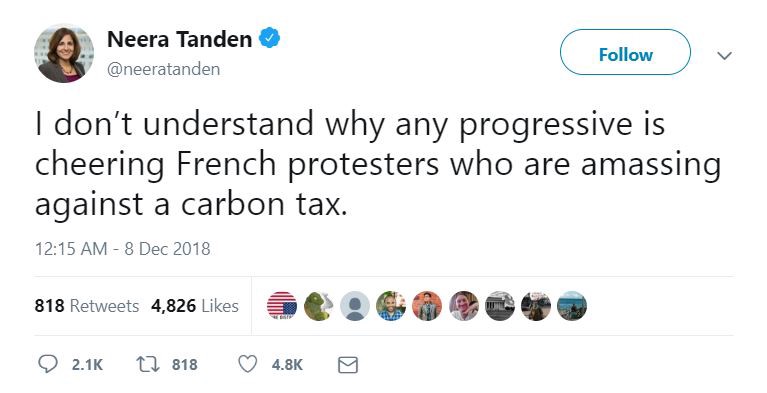
Sadly, some in the American liberal and Democratic establishment rushed to side with Macron and the Carbon tax. Neera Tanden, the President of the Center for American Progress – a third way centrist liberal organization, tweeted: “I don’t understand why any progressive is cheering French protesters who are amassing against a carbon tax.” These elitist so-called progressives are out of touch with working class people and are unable to realize that people are struggling and morally shouldn’t shoulder the burden of climate action, especially given the fact that large multi-national corporations are primarily responsible for the effects of climate change. Journalist Glenn Greenwald commented on these reactions, “The inability of rich neoliberal centrist elites in western capitals to understand – or even hide their scorn for – the anger & grievances of rural and working-class people over their economic suffering is one of the 2 or 3 most important causes of contemporary political changes.”

Growing income inequality and mistrust of the government’s ability to have the best interests of working people will only lead to more unrest. Martin Luther King repeatedly said that riots were the language of the unheard. When everyday citizens believe that they have no real channel to voice their opinions or anger, they have no other option. These protests are the result of this frustration. We must stand in solidarity with working class people around the world and work towards creating an international movement for the fair and just society we want to live in. The protests in France should be a lesson to the rest of the world and more specifically to the American political elite. The insurgent campaign of Bernie Sanders on the left shows people are unhappy with the direction of the establishment of the Democratic party. The embarrassing defeat of Hillary Clinton to the most disliked and scandal ridden candidate, Donald Trump, is proof that 30 plus years of crushing neoliberal politics has taken its toll on society. People are hungry for real substantial change. This is why Americans voted for the ‘hope and change’ candidate – Barack Obama. While Obama saved the country from falling off of an economic cliff, he didn’t go far enough, a corrupt and Wall Street funded Democratic party didn’t go far enough. It has been 10 years since the Great Recession began and the wealthy have recovered and are doing very well, while the rest of us are fighting over the scraps of whatever the rich decide to throw to us. People see this. People feel this. This is one reason, among many, why Donald Trump was able to win the presidency. Trump is but a symptom of a rigged system that will only get worse if substantial changes are not made. We cannot simply revert back to the status quo that was before Trump. If we do we will only be inviting the next Trump to take power, only next time we may get an intelligent and skilled politician instead of a bumbling imbecile.

Dale Seufert-Navarro